1. Is a rooftop garden worth the investment?
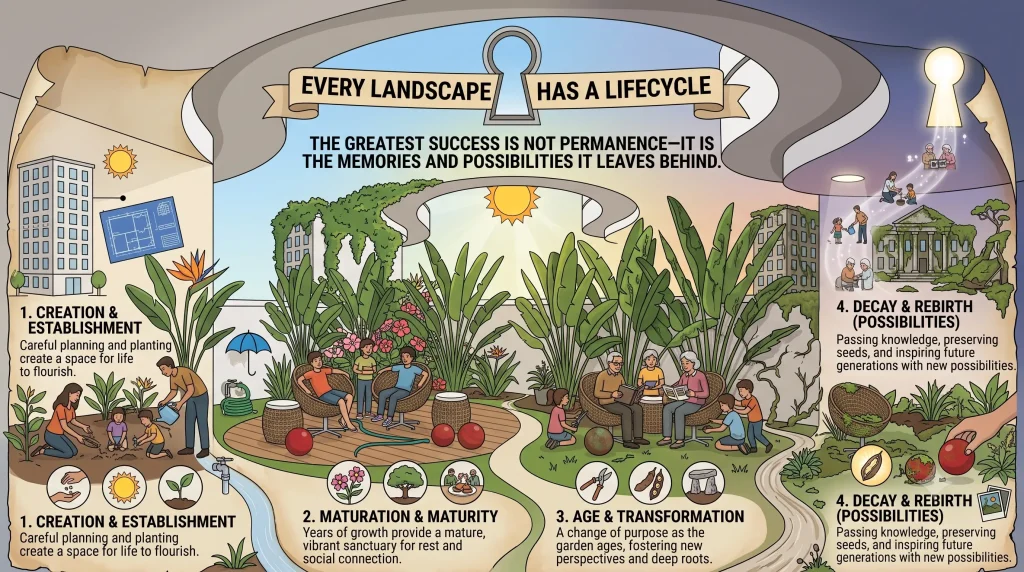
A rooftop garden should not be seen as an expense but as an investment in quality of life. Besides creating usable outdoor space, it can reduce rooftop heat, improve aesthetics and increase the functional value of a home. In this project, the family enjoyed the space for three years before using the rooftop for a house extension. Even after the garden was removed, the memories and experience remained valuable.
2. How much does a rooftop garden cost?
The cost depends on the purpose rather than the size alone. A simple rooftop with seating and greenery costs much less than one with lawns, pergolas or irrigation systems. At CHAAS, we begin by understanding how the family intends to use the space and then recommend a solution that fits both their needs and budget. A well-planned phased approach often delivers better value than building everything at once.
3. Why are AAC blocks preferred for rooftop gardens?
AAC (Autoclaved Aerated Concrete) blocks are lightweight and reduce the structural load on rooftops compared to conventional bricks. They are easier to handle, provide good insulation and are well suited for rooftop landscaping where weight is an important consideration.
4. Can a rooftop garden be removed later?
Yes. A properly designed rooftop garden is not permanent construction. It can be modified, expanded or even removed if the family's needs change. In this project, the garden eventually made way for a new house, proving that landscapes can evolve with life rather than restrict it.
5. How do you design a rooftop for family gatherings?
Every family uses outdoor spaces differently. Some prefer lawns, while others need seating for conversations or celebrations. Here, a simple 10 × 10 ft. seating area became the heart of the rooftop, surrounded by shrubs that created privacy without making the space feel enclosed.
6. Can a rooftop garden help people experience cooler spaces?
Yes. Plants reduce direct heat absorption, create shade and improve the microclimate around the seating area. While the exact temperature reduction depends on the design, many homeowners notice that landscaped rooftops are significantly more comfortable than bare concrete terraces.
7. What did this project teach CHAAS?
This rooftop taught us that good design is not always permanent—and that is perfectly acceptable. Landscapes should adapt to changing family needs. Their true value lies not in how long they exist, but in the quality of life they create while they are part of a home.